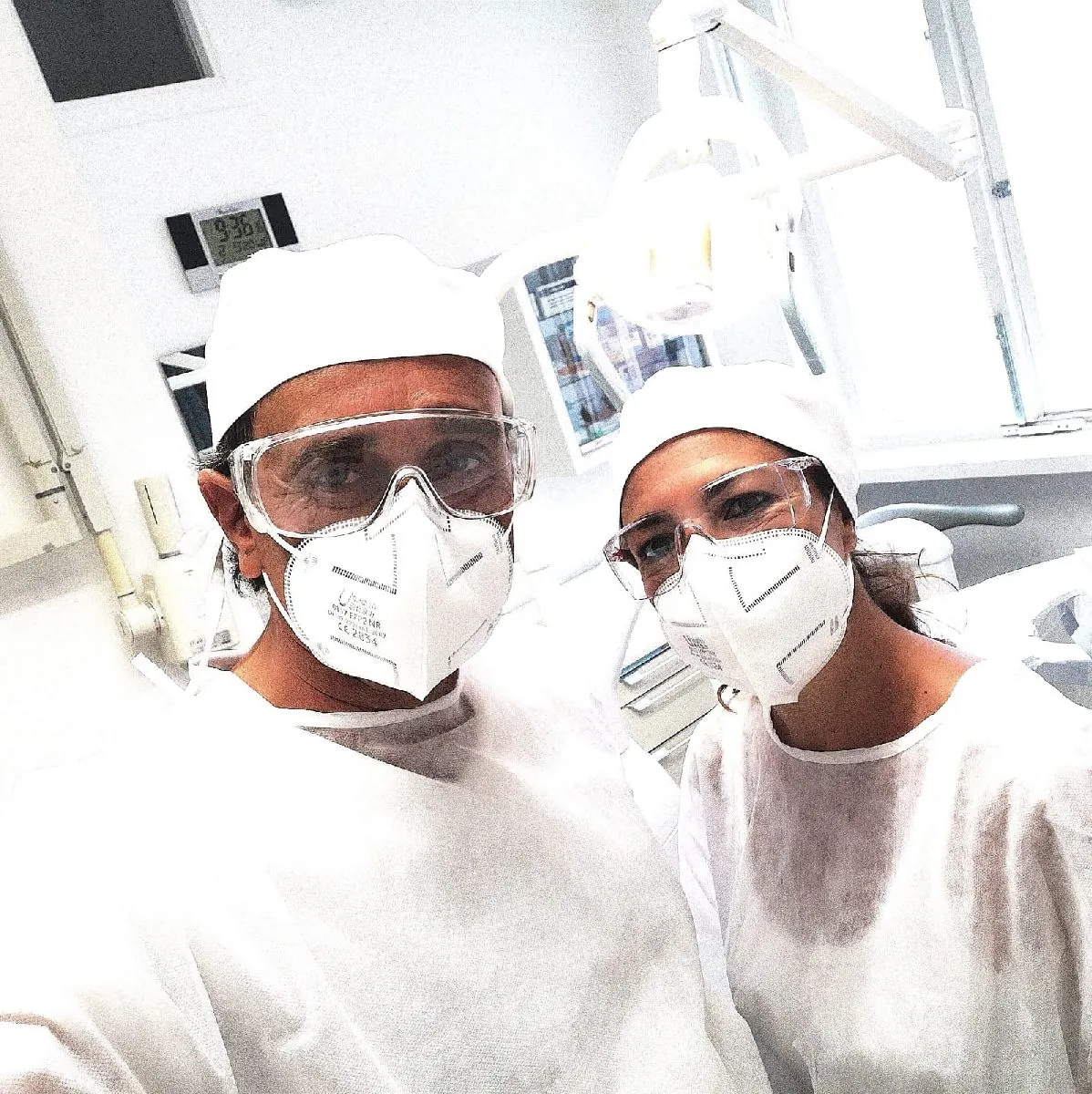
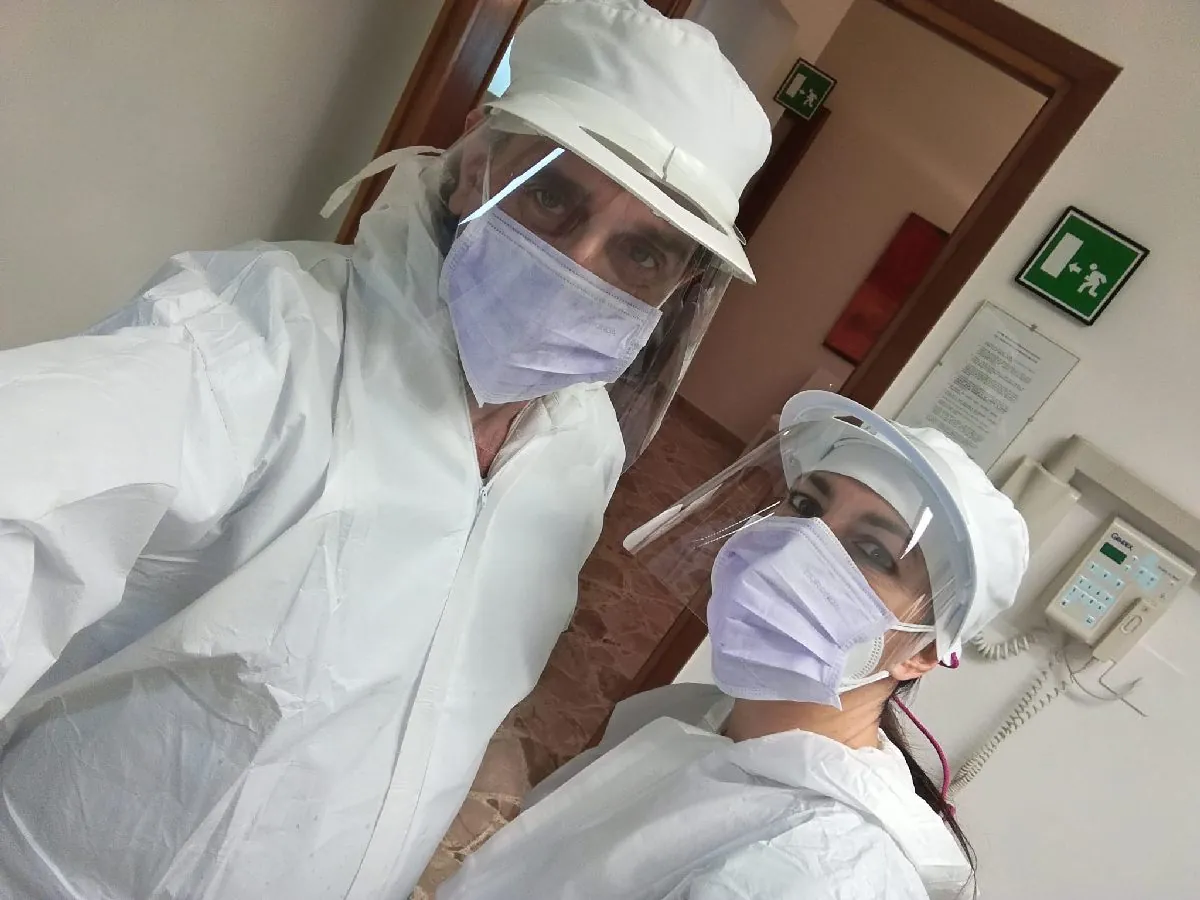
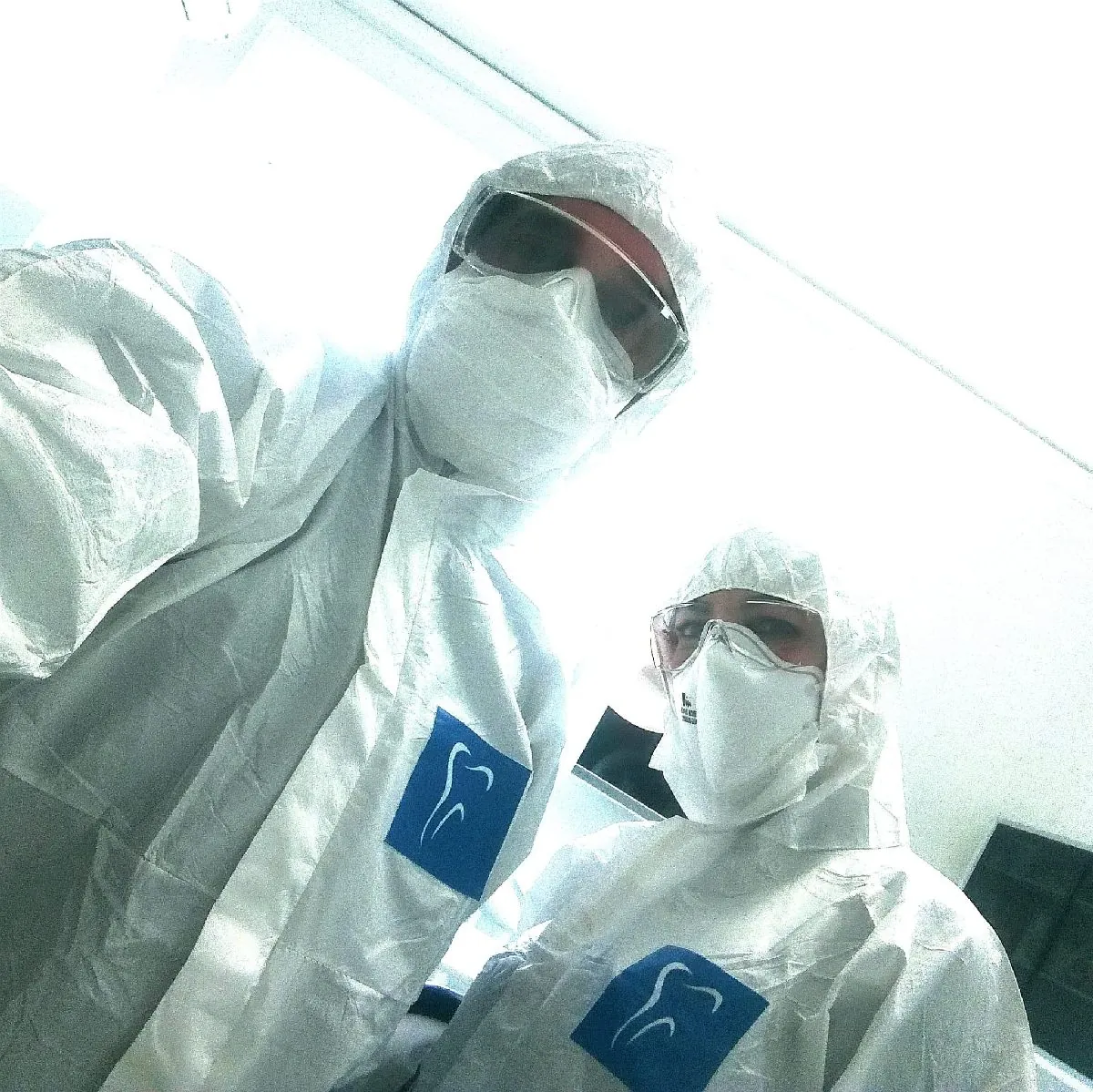
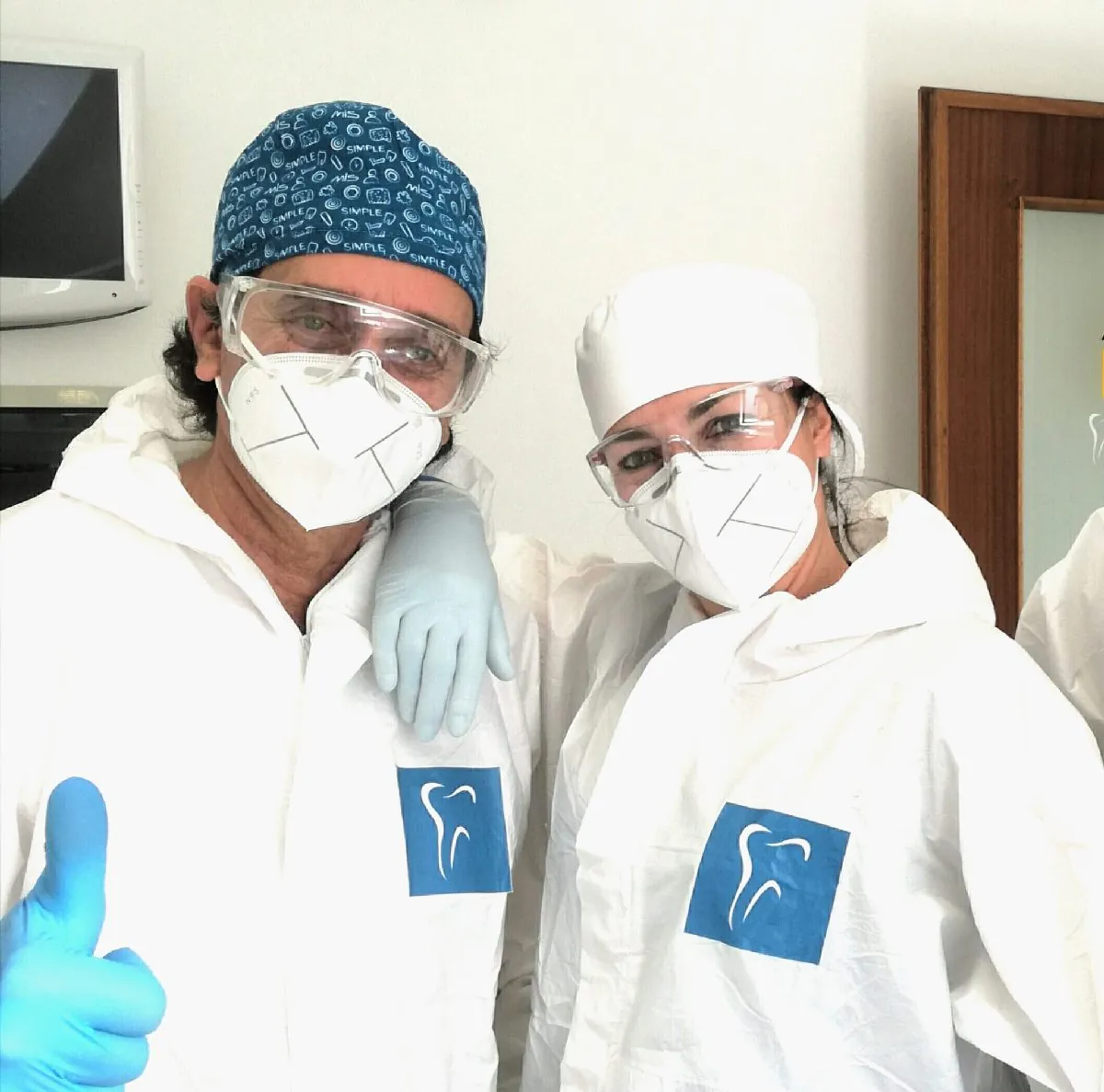
Since the first lockdown, announced by Prime Ministerial Decree (DPCM) on 9 March 2020, much has changed in our profession.
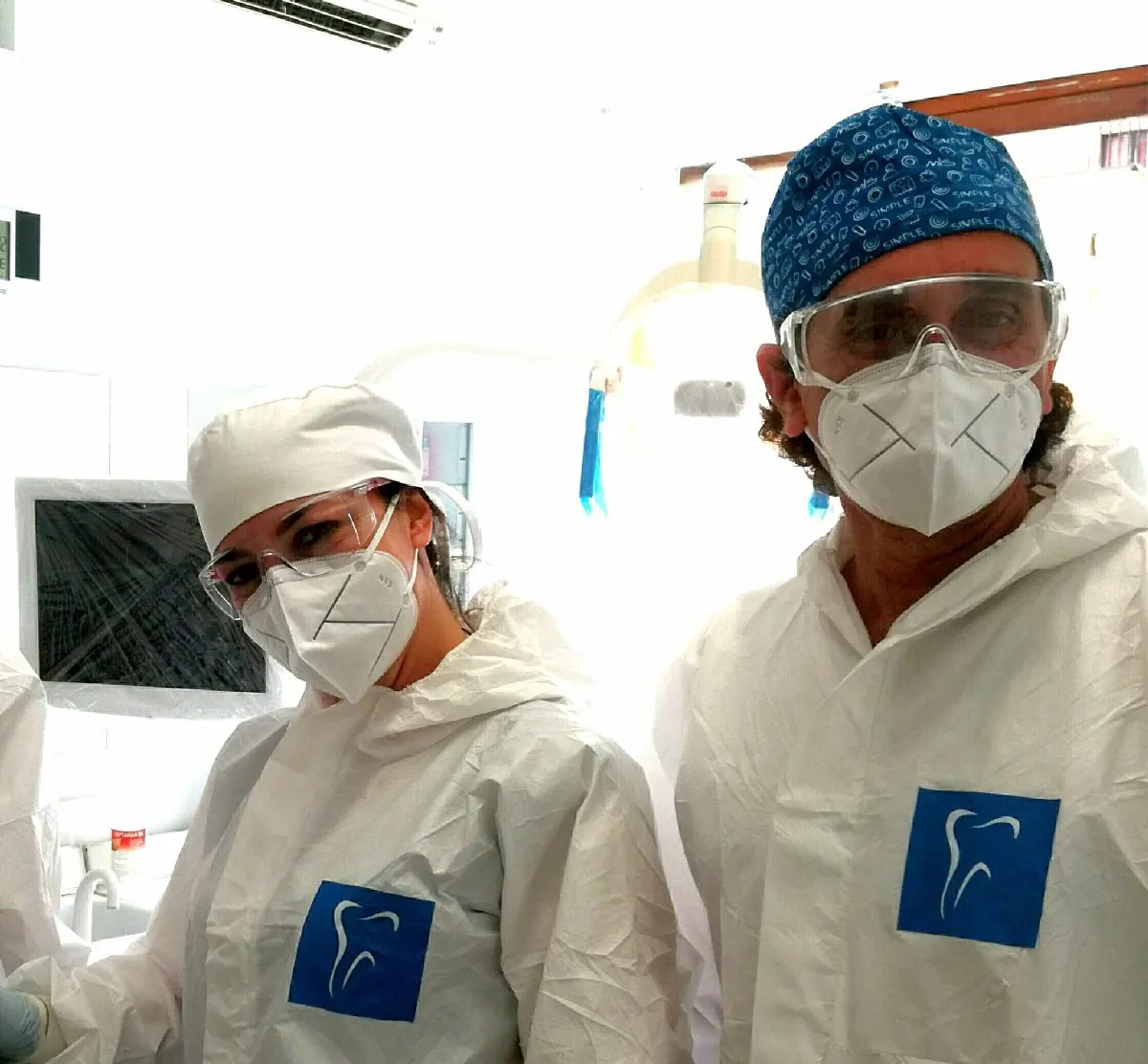
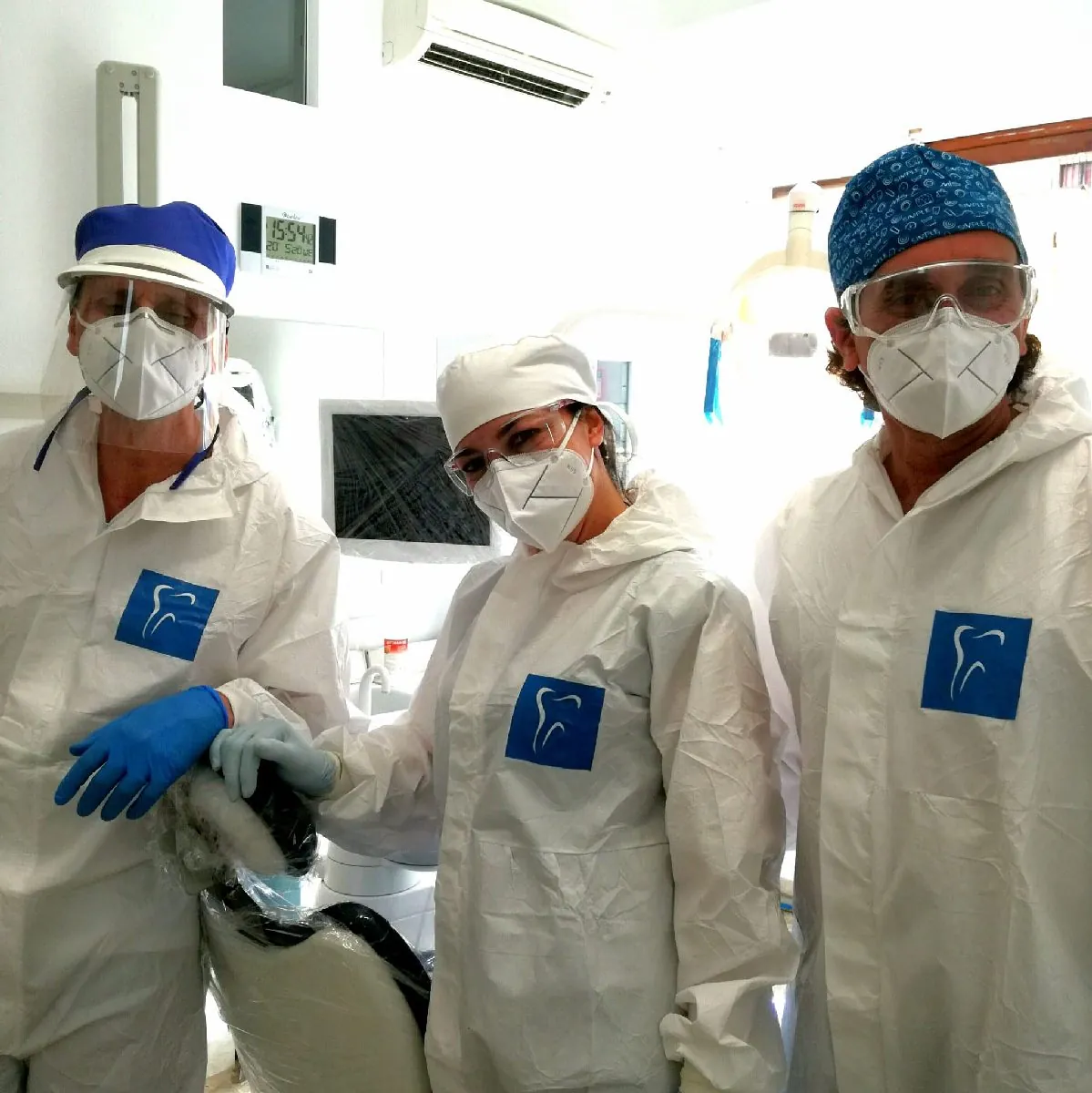
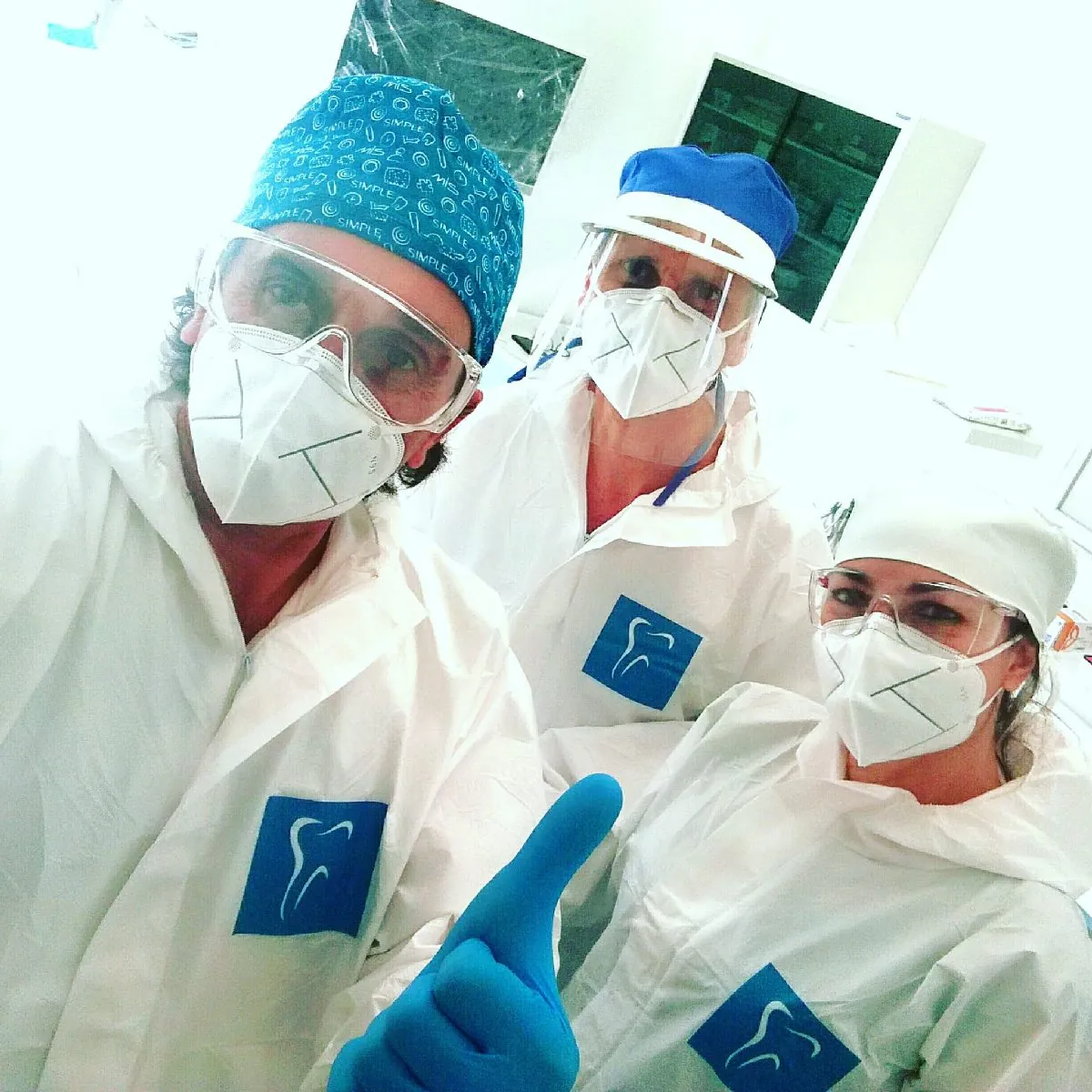
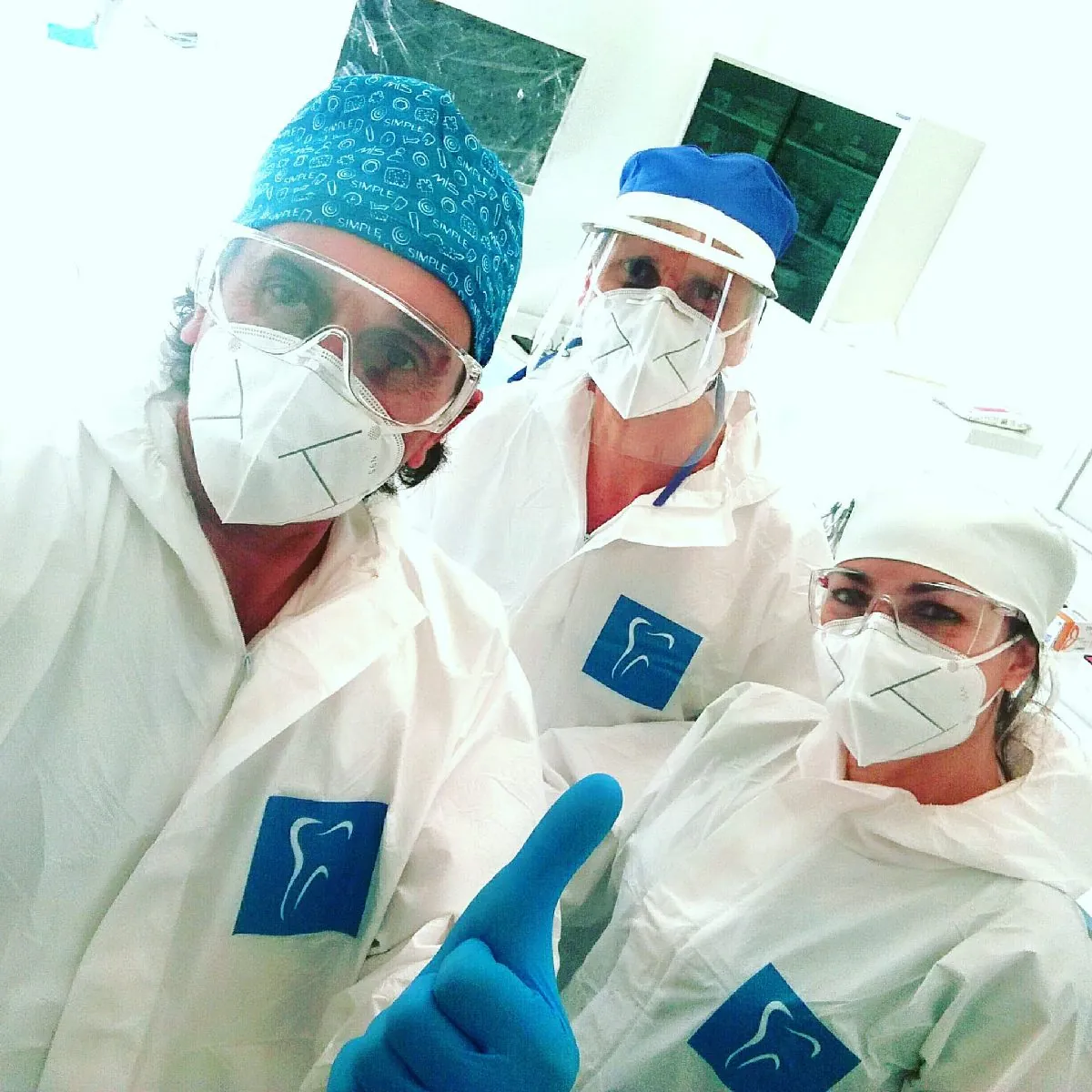
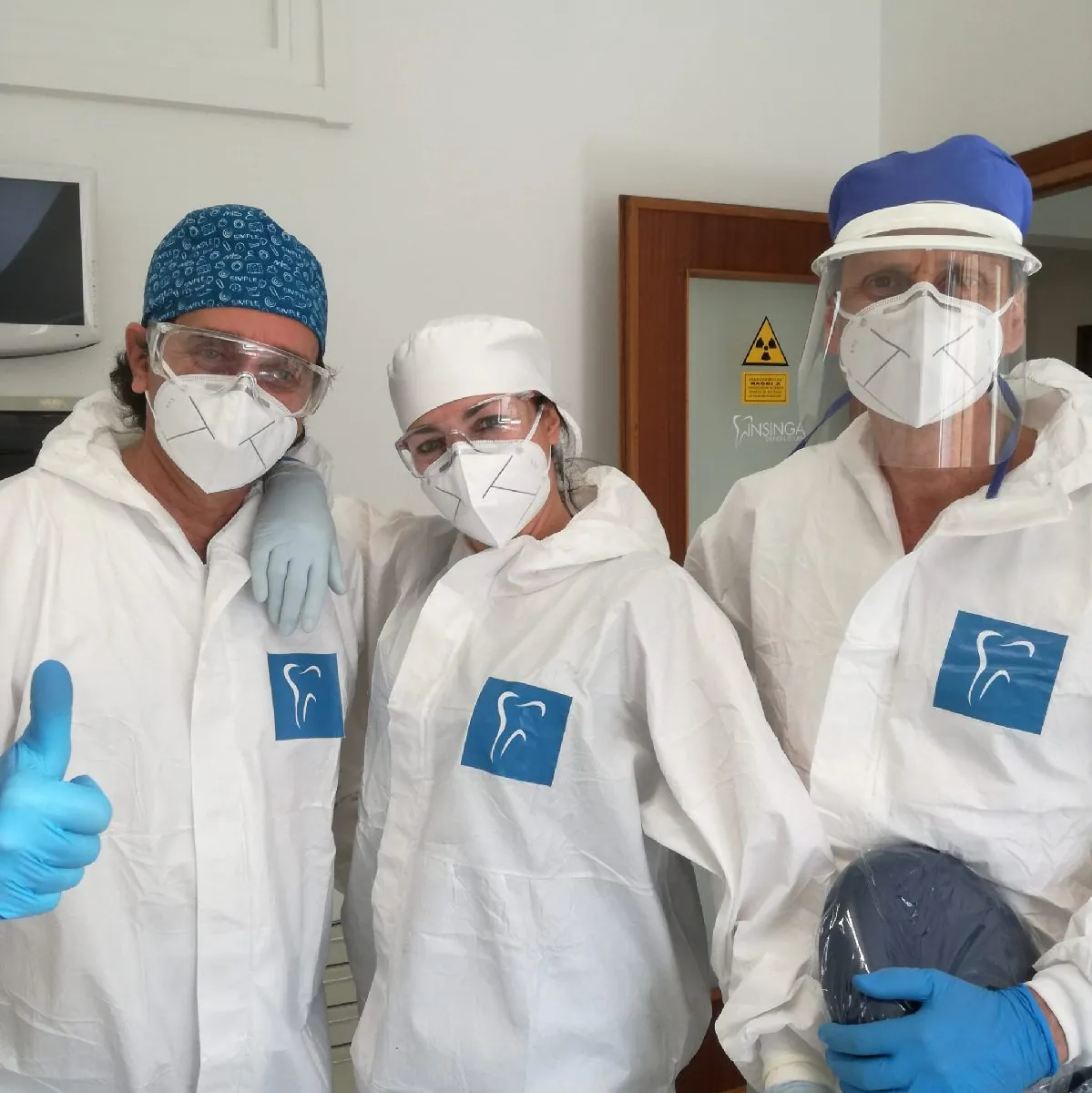
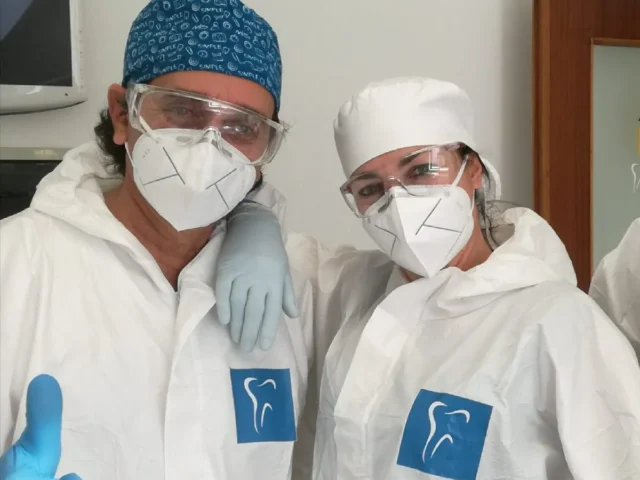
In the first months of the pandemic, dental practices were not closed by decree, but common sense led our profession to limit its activity to urgent cases that could not be postponed while we waited to understand the risk of Covid-19 infection and how to deal with it; while we waited to receive national guidelines from the competent authorities on how to prevent infection by implementing the right hygiene measures; and while we waited to be informed on how to sanitise our workplaces before, during and after dental treatment, so as to be sure which PPE (Personal Protective Equipment) to rely on and wear, and anything else needed to continue our profession in complete safety for ourselves, our staff and our patients.
We limited ourselves to urgent treatment that could not be postponed, and kept in constant telephone contact with the patients already in our care, monitoring their general and dental health.
During this first period of anxiety and fear, we reduced the hours devoted to clinical work, which gave us more time for professional development.
We sought to keep up to date early on with how to prevent possible infection, how to train our staff and how to organise our new working reality, with working times that have inevitably become longer and different.
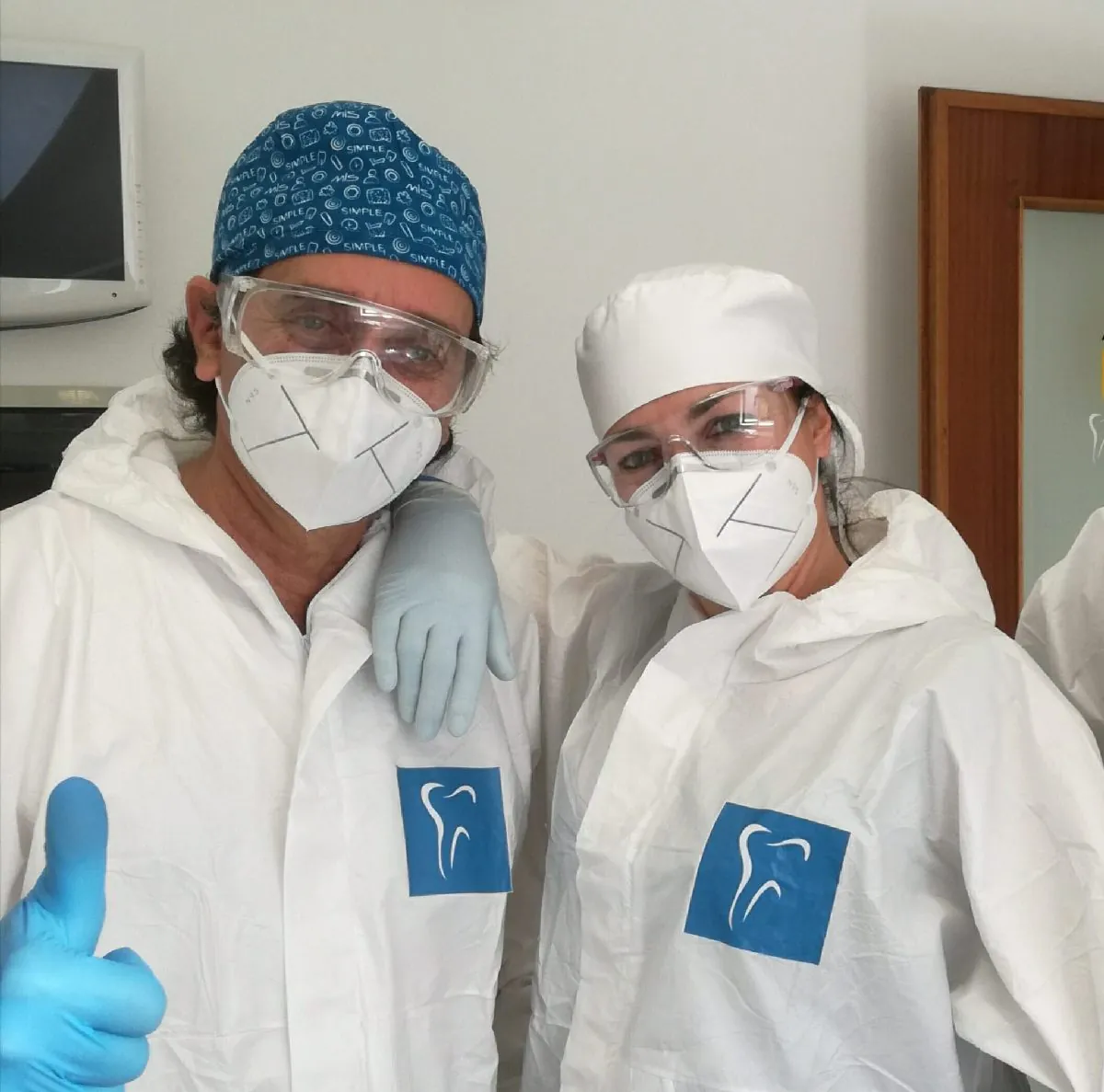
We searched frantically for the necessary and most suitable PPE, which in the early days of the pandemic was hard to find and extremely expensive.
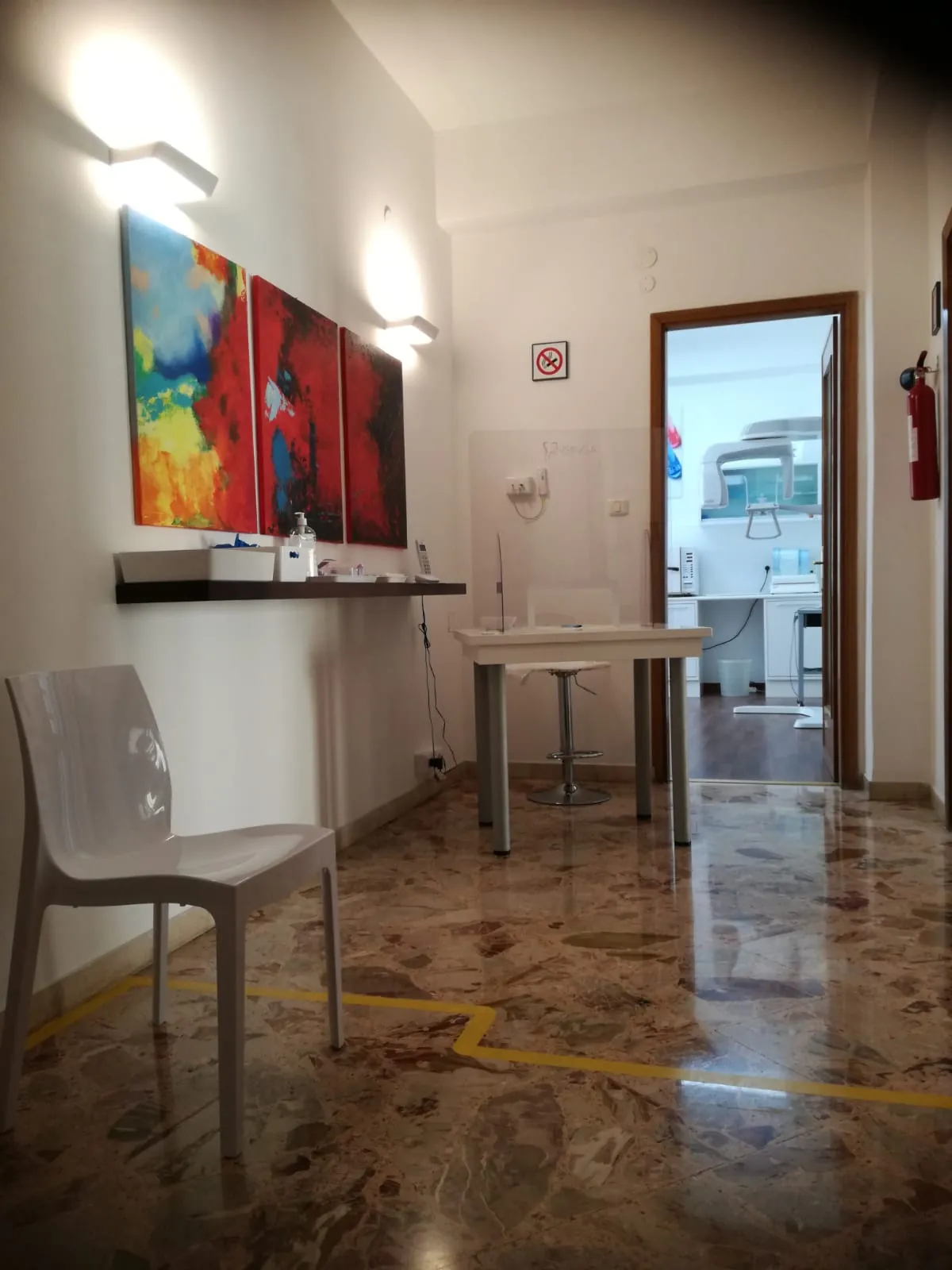
We worked to lay out and organise our rooms to make them better suited to ensuring the recommended distancing.
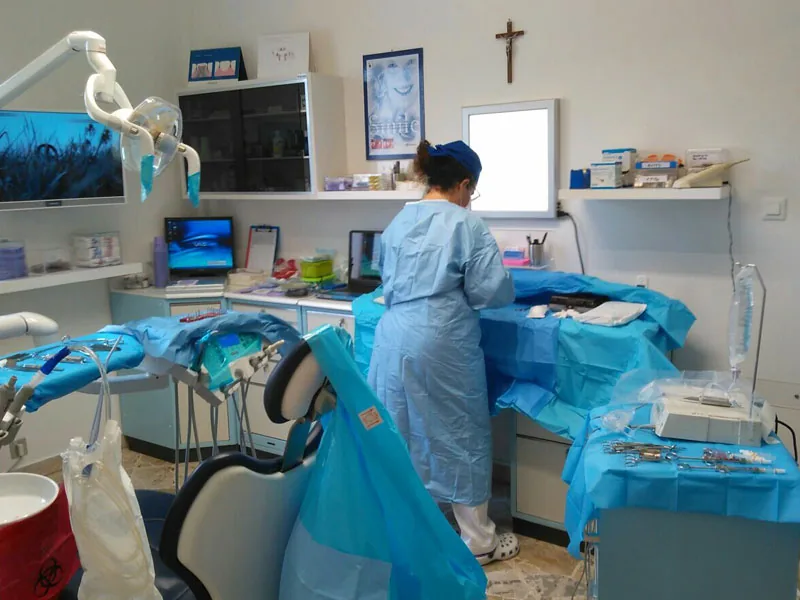
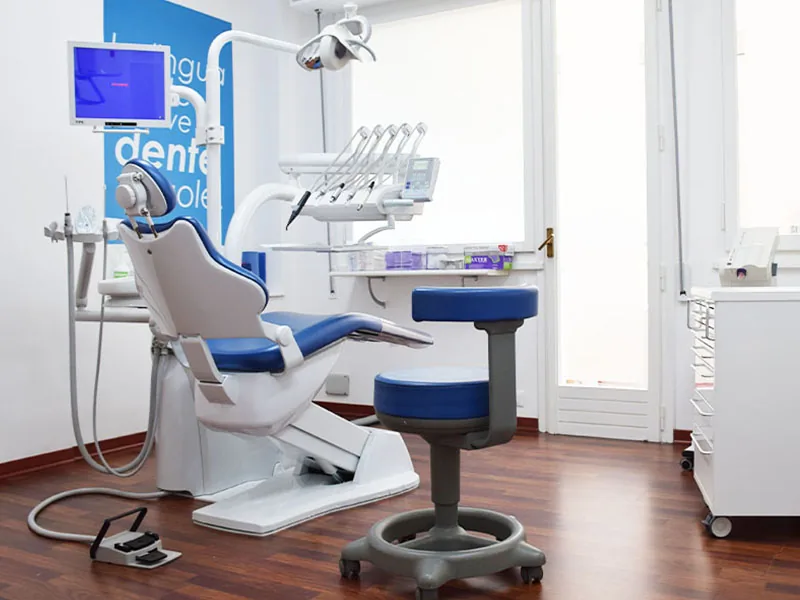
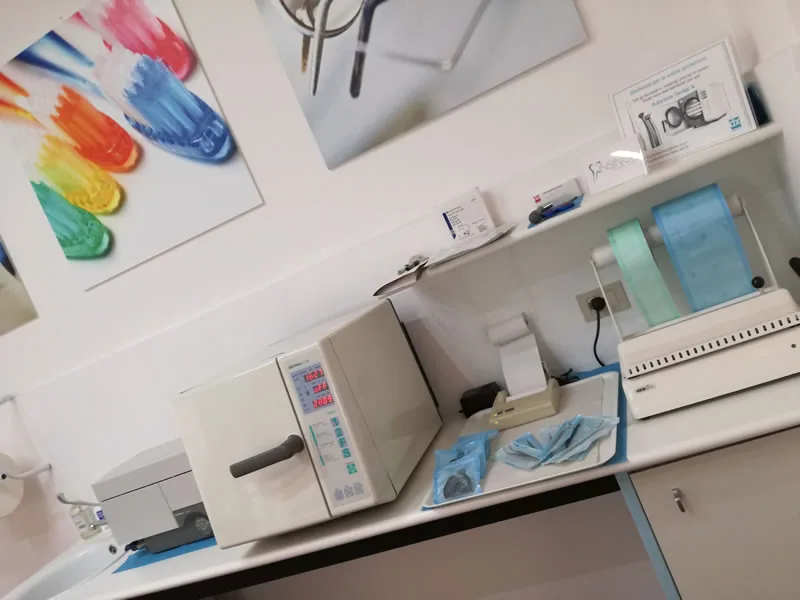
We reorganised them, clearing the treatment rooms of everything not strictly necessary so that their surfaces are clearer and therefore easier to sanitise.
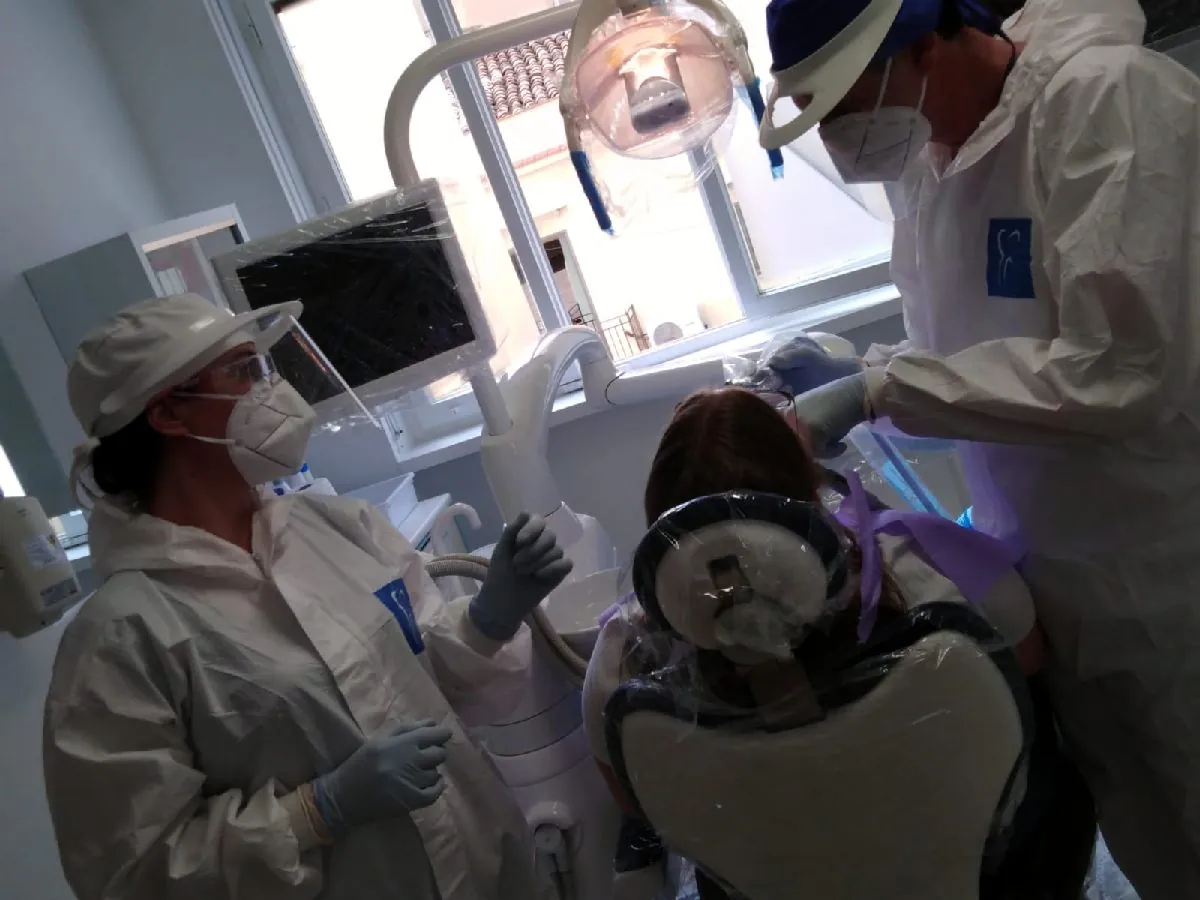
We have ensured the necessary air exchange in the treatment rooms during procedures, either by working with the windows fully open but fitted with suitable insect screens, or by installing dedicated extractor fans.
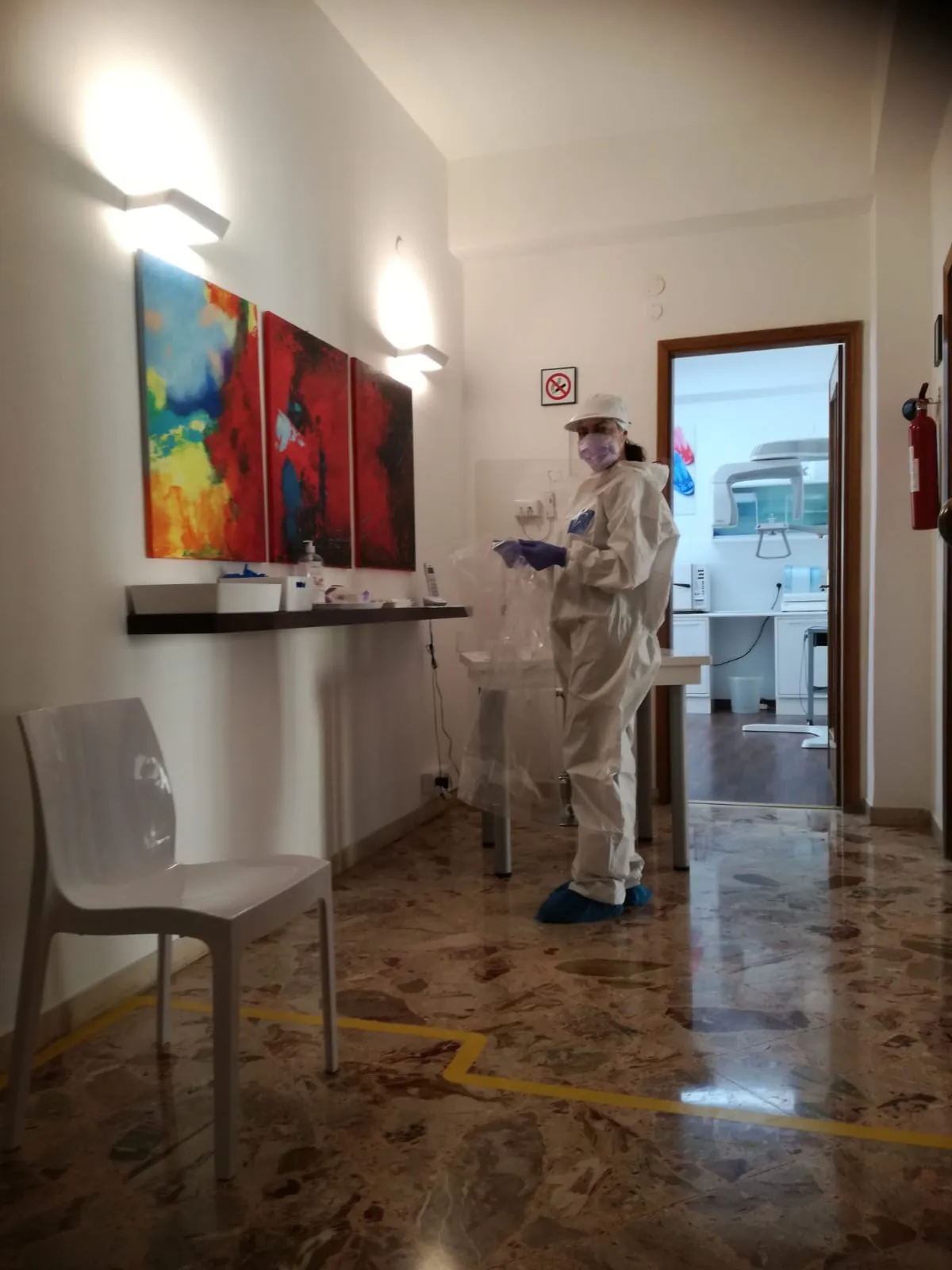
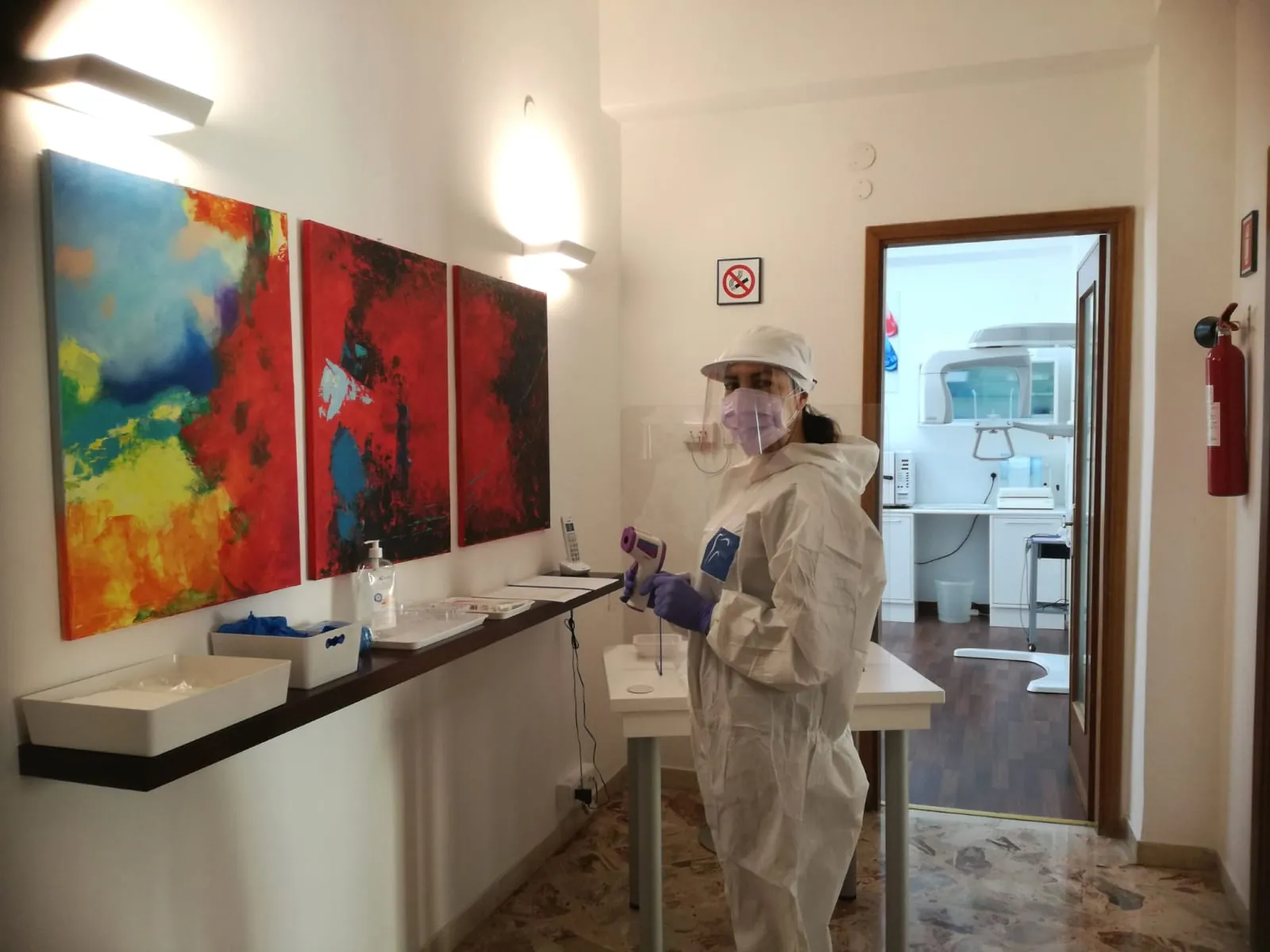
We have created dedicated donning and doffing areas, both for staff and for our patients.
In these clearly marked and delimited areas, we provide the appropriate PPE to allow correct access and to ensure safety inside the practice until treatment is complete and the patient leaves. We have drawn up a list of priorities, streamlining our diary to give priority to urgent cases and also scheduling appointments according to our patients’ age, reserving the first hours of our working day for older and more vulnerable patients.
We have divided the practice schedule into clearly separate appointments, detailed by type of treatment, allocating those at the end of the day, with longer breaks, to the procedures that generate more aerosol.
All this is to implement all the recommendations made by our Professional Regulatory Body and by the technical committee of the Ministry of Health, and to maintain high safety standards in our practice.
Access to our practice has always been by appointment only, and even more so since the start of the Covid-19 pandemic. The patient telephones our reception and, once the appointment has been agreed, answers the questions of an information questionnaire ( Telephone Triage ), which identifies the patient and gathers initial information on their state of health: whether they have had direct contact with anyone who has tested positive for Covid, and whether they have always followed the recommended hygiene measures of social distancing and mask wearing. All this is to minimise the risk of infection within our practice.
Once the date and arrival time have been agreed, the patient comes to our practice alone and unaccompanied, wearing a mask, and is welcomed in a suitably marked-off reception area.
Here the patient’s body temperature is taken; the patient places their personal belongings, coats and accessories in special single-use plastic bags, is given the appropriate PPE and is asked to disinfect their hands with an alcohol-based hand sanitiser.
Once this first stage is complete, and still in the reception area, the patient is given the dynamic questionnaire (In-Practice Triage) in a clear, legible written form and is informed of the rules to be followed inside our practice; they are asked to silence their mobile phone and leave it at the entrance with their other personal belongings.
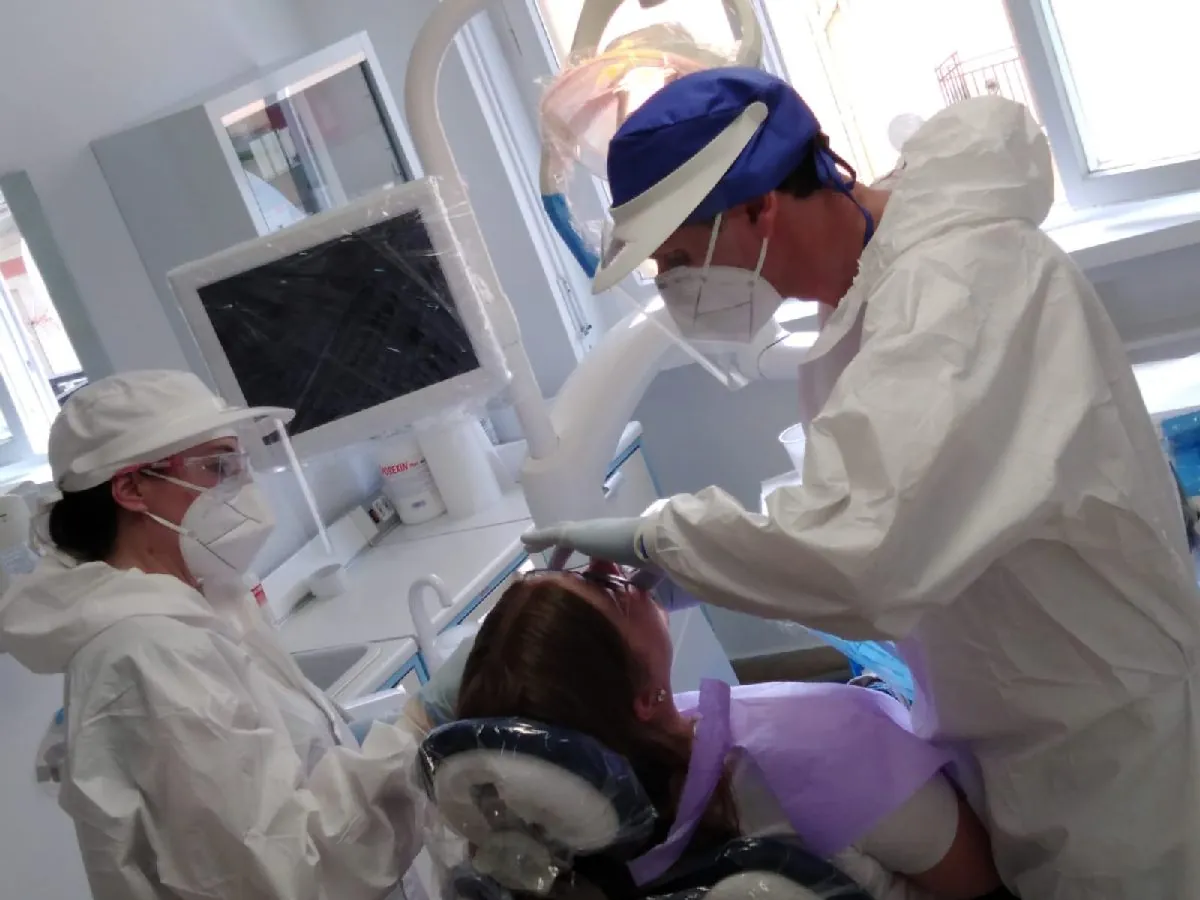
The patient is also given a self-declaration form to sign, stating that they will follow our instructions, that they have clearly understood how to enter the treatment rooms and that they have answered the questionnaire properly and carefully, and undertaking to inform the dentist of any change in their state of health. The patient enters the treatment room wearing a mask and the other personal protective equipment provided at the entrance and, once seated in the chair, is asked to rinse with a disinfectant solution of hydrogen peroxide diluted to 1%, and then to rinse and gargle with a disinfectant solution of chlorhexidine digluconate 0.20% for one minute.
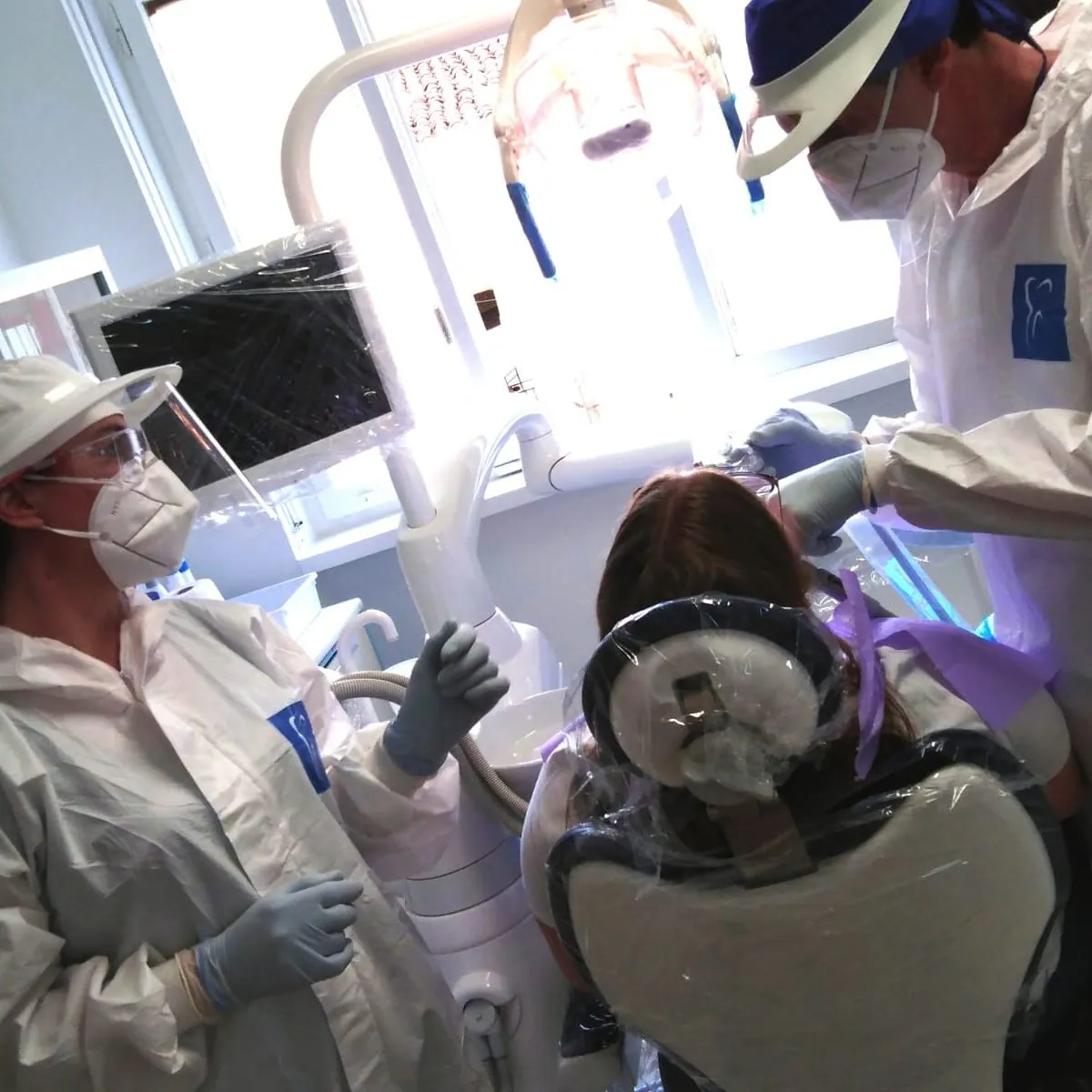
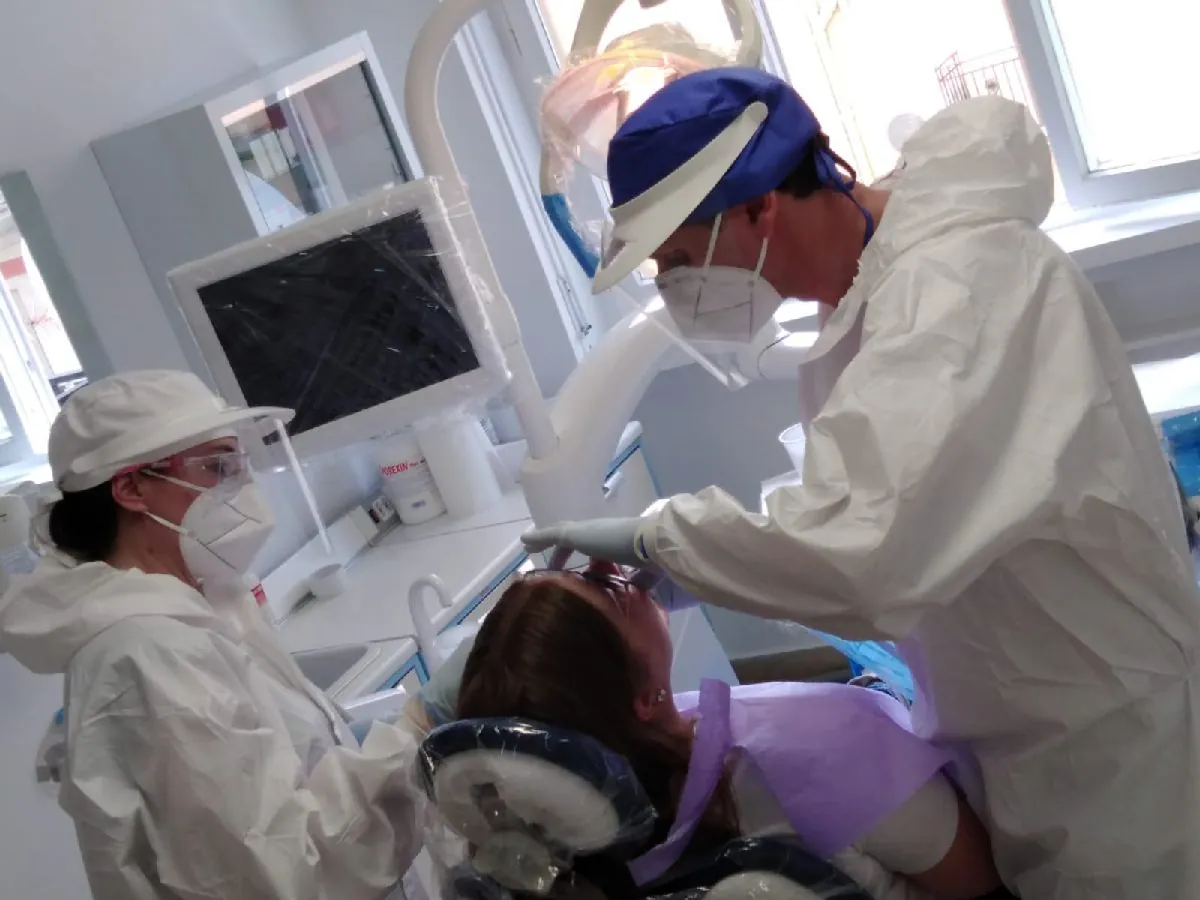
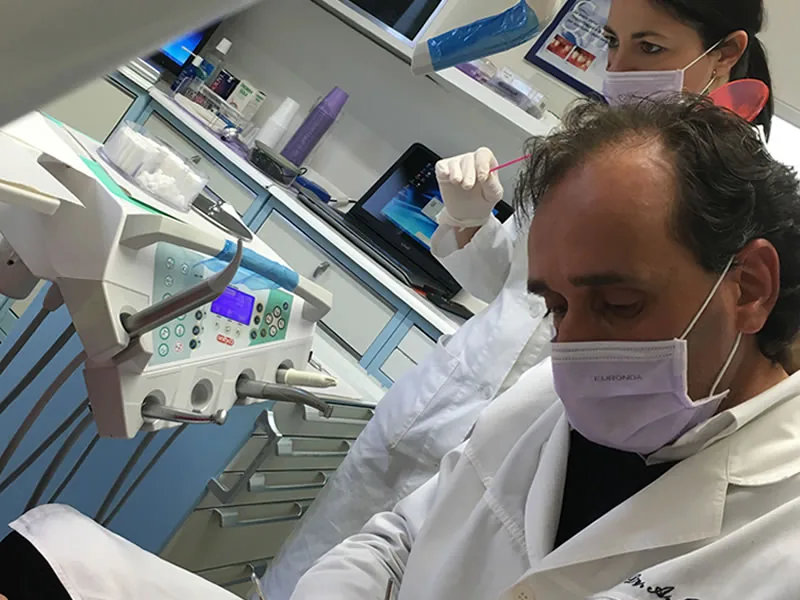
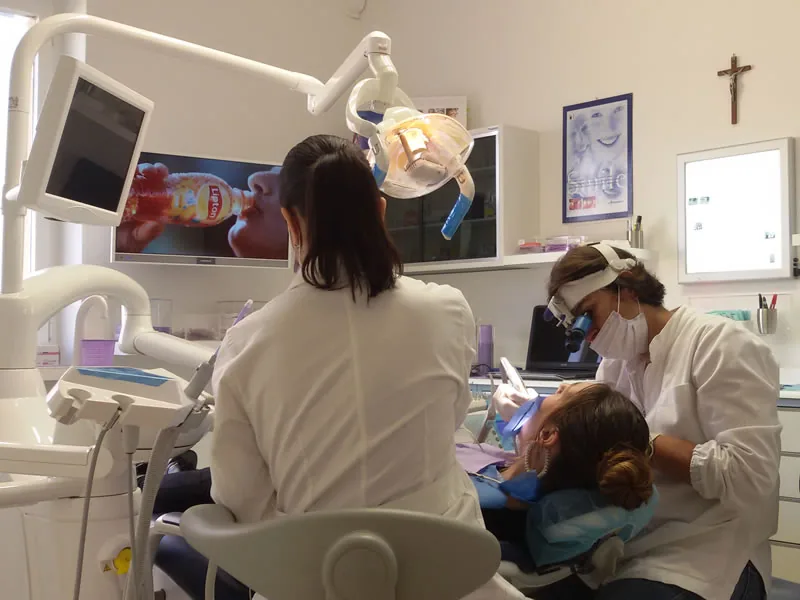
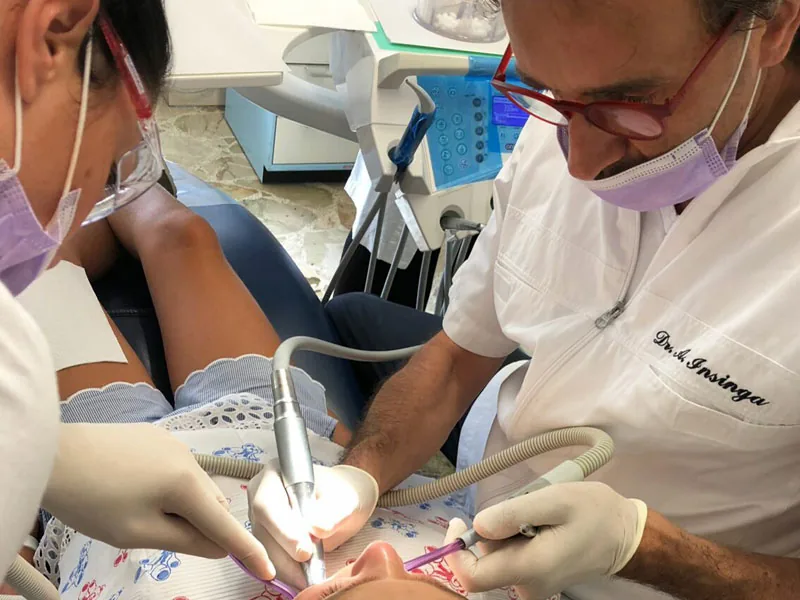
During treatment we try to limit the aerosol generated by electromedical equipment by using dual surgical suction and, where possible, a rubber dam; it is also advisable to limit our procedures to the scheduled treatment only. Between one patient and the next, we air the treatment room for at least 15 minutes; where possible, we work with the windows open to ensure maximum air exchange.
At the end of treatment, the patient is discharged in a designated area, where they leave their PPE and collect the sealed single-use plastic bag containing their personal belongings.